Body Contouring

fat transfer Houston TX

Your own fat, placed precisely, for results that look and feel real.
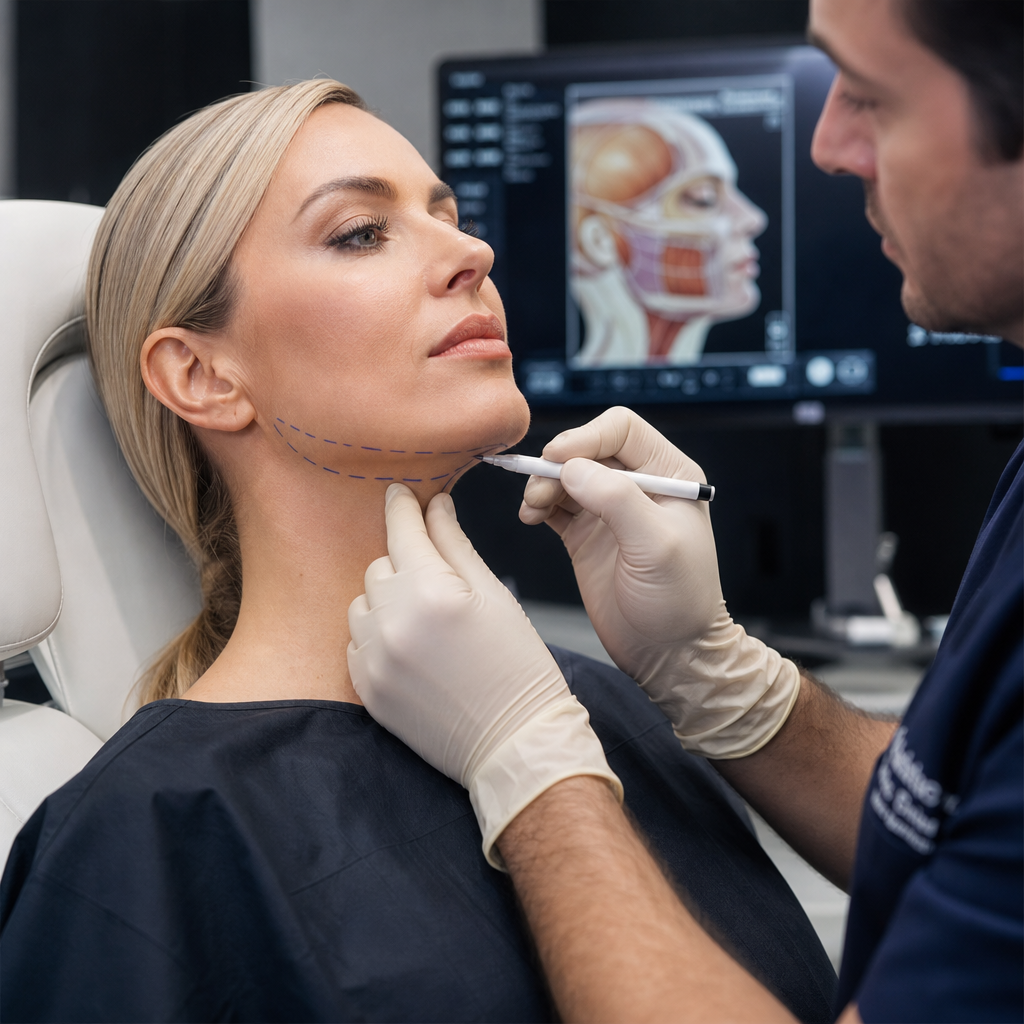
Fat transfer, also called autologous fat grafting or lipofilling, uses your own harvested fat to restore volume, soften contours, and rejuvenate areas that have lost fullness over time. Dr. Rodriguez has performed fat grafting procedures for over three decades, refining his technique to maximize graft survival and achieve results that look and feel entirely natural. As a board-certified plastic surgeon with deep expertise in liposuction and body contouring, he approaches every fat transfer case with the same precision he applies to his most complex surgical procedures. At Rodriguez Rejuvenation, fat transfer is never a one-size-fits-all add-on. It is a carefully planned procedure tailored to your anatomy and your goals.
Board Certified   •   Practicing since 2009   •   Houston, TX
Fat Transfer
2–4 Hours
Performed under local or general anesthesia depending on treatment scope
2–3 Weeks
Return to light activity within 7 to 10 days
Board Certified
Plastic surgeon with over 30 years specializing in body contouring and fat grafting
How it works

Recovery and Final Results

Your body gradually integrates the transferred fat over the weeks following your procedure, with final volume stabilizing at around three to four months. What remains at that point is living tissue, not filler, and the results are permanent.
01

Consultation and Planning

On the day of your procedure, Dr. Rodriguez performs targeted liposuction to collect fat from a donor site such as the abdomen, flanks, or thighs. The harvested fat is then processed and purified to isolate the healthiest, most viable fat cells before transfer.
02

Fat Harvest and Preparation

On the day of your procedure, Dr. Rodriguez performs targeted liposuction to collect fat from a donor site such as the abdomen, flanks, or thighs. The harvested fat is then processed and purified to isolate the healthiest, most viable fat cells before transfer.
03

Precise Fat Placement

Using small cannulas and a layered injection technique, Dr. Rodriguez places the purified fat in small, evenly distributed parcels throughout the recipient area. This method maximizes contact between the grafted fat and surrounding tissue, which is the single most important factor in long-term graft survival.
04

Recovery and Final Results

Your body gradually integrates the transferred fat over the weeks following your procedure, with final volume stabilizing at around three to four months. What remains at that point is living tissue, not filler, and the results are permanent.
Ideal candidate

Fat Transfer may be a good fit if you

Candidacy is confirmed during an in-person consultation with Dr. Rodriguez.
What to expect

Before, during, and after

Before
Stop taking aspirin, ibuprofen, fish oil, and any blood-thinning supplements at least two weeks before your procedure. If you smoke, you must stop a minimum of four weeks prior, as nicotine significantly reduces graft survival and compromises healing. Dr. Rodriguez’s clinical team will provide detailed pre-operative instructions, including fasting guidelines if general anesthesia is planned.
During
Depending on the scope of your fat transfer, Dr. Rodriguez performs the procedure under either tumescent local anesthesia or general anesthesia. He first completes the liposuction harvest, then processes the fat chairside before beginning the injection phase with careful attention to layering depth and distribution. Most procedures take between two and four hours from start to finish, and patients report minimal discomfort throughout.
After
Immediately following your procedure, you will experience swelling and bruising at both the donor and recipient sites. The transferred areas will appear overfilled at first, which is intentional and expected as Dr. Rodriguez accounts for the initial reabsorption that occurs in the first weeks. You will be placed in compression garments at the donor sites and given specific positioning instructions to protect the grafted areas.
Recovery

What the first weeks may look like

●
Days 1–3
Swelling and bruising are at their peak, and mild soreness at the donor site is normal. Rest is essential during this phase, and you should arrange for someone to assist you at home for at least the first 48 hours.
●
Week 1–2
Most patients return to sedentary work and light daily activities by day seven to ten. Compression garments remain in place at the harvest sites, and you will begin to see early swelling resolve, though the final volume is not yet apparent.
●
Weeks 3–6
Bruising clears completely for most patients by week three, and the recipient areas settle into a more natural shape as swelling continues to reduce. Exercise and strenuous activity are cleared on a case-by-case basis, typically after Dr. Rodriguez confirms healing at your follow-up visit.
●
Months 2–4
By month three to four, graft reabsorption is complete and the fat that remains is fully integrated and permanent. This is when final results become visible and photographs are typically taken for comparison.
Before & after

Real patients of Dr. Rodriguez

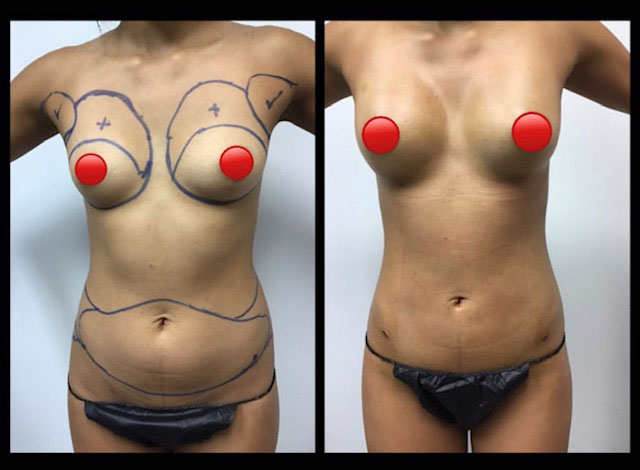
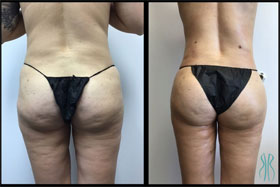
The results shown in this gallery are from real patients of Dr. Rodriguez who have provided documented consent to share their photographs. Individual outcomes vary depending on anatomy, donor site quality, graft retention, and the specific areas treated. These images are intended to give you an honest representation of what fat transfer achieves, not a guarantee of identical results.
Individual results vary. Photos should only be used with documented patient consent.
Body Contouring
Before
Body Contouring
After
Consultation

Request your Fat Transfer consultation

Tell us what you would like to achieve. Our care team will follow up to help you plan the next step.
Your information is kept private and used only to respond to your request.

What patients say about Fat Transfer

Frequently Asked Questions about Fat Transfer

Clear answers to common questions before your consultation.
How much of the transferred fat will survive long-term?
On average, between 50 and 70 percent of transferred fat survives permanently, though this varies based on technique, patient health, and the recipient site. Dr. Rodriguez accounts for this reabsorption by slightly overfilling the target area during the procedure. Patients who maintain a stable weight tend to see the most consistent long-term retention.
The transferred areas will look overfilled for the first several weeks as swelling resolves and the body reabsorbs a portion of the fat. Final results are typically visible and stable by three to four months post-procedure. What you see at that point reflects the fat that has successfully integrated and will remain permanently.
Most patients with desk jobs or remote work return within seven to ten days. Physical activity, exercise, and any role requiring prolonged standing or lifting should wait until Dr. Rodriguez clears you at your follow-up, generally around three to four weeks. The donor site typically causes more noticeable soreness than the injection site in the early days.
Adequate donor fat is a genuine requirement for this procedure. Patients with very low body fat may not have sufficient volume at the harvest sites to achieve meaningful grafting results. During your consultation, Dr. Rodriguez evaluates your specific anatomy and will be direct with you about whether fat transfer is a viable option or whether an alternative approach would better serve your goals.
Pricing varies based on the donor sites used, the recipient areas treated, and the overall scope of the procedure. Because every fat transfer at Rodriguez Rejuvenation is customized, a specific quote is provided after your in-person consultation with Dr. Rodriguez. The practice offers financing options through third-party lenders, and the team can walk you through available plans at the time of your visit.
The primary risks include uneven results, graft reabsorption beyond expected levels, contour irregularities at the donor site, and, in rare cases, fat necrosis at the injection site. Dr. Rodriguez minimizes these risks through meticulous harvesting technique, careful fat processing, and a layered placement method that optimizes contact between the graft and surrounding tissue. His three decades of experience with liposuction and fat grafting directly inform the safety profile of every case he performs.
If you are ready to explore what fat transfer can do for you, the first step is a personal consultation with Dr. Rodriguez at Rodriguez Rejuvenation in Houston. He takes the time to understand your goals, assess your anatomy honestly, and tell you exactly what to expect. Call our office or submit a consultation request online and our team will reach out to schedule your appointment.

Related treatments

Abdominal Etching

Selectively removes fat over muscle contours to create the appearance of defined, sculpted abs.

Liposuction Revision

Corrects uneven contours, waviness, or incomplete results left by a prior liposuction procedure.

Brazilian Butt Lift

Fat removed during liposuction is transferred to the buttocks for a natural, implant-free augmentation with lasting shape.