Medical Weight Loss

appetite suppressant Houston TX

Clinically supervised appetite control that makes sustainable weight loss achievable, not aspirational.
Hunger is not a character flaw, and willpower alone was never designed to override the hormonal signals that drive overeating. At Rodriguez Rejuvenation, Dr. Rodriguez prescribes FDA-approved and clinically supported appetite suppressants as part of a structured medical weight loss program built around your physiology, not a generic protocol. With over three decades of experience in body contouring and a deep understanding of how fat distribution, metabolic function, and appetite regulation intersect, he approaches appetite control with the same precision he applies in the operating room. Houston patients choose this practice because Dr. Rodriguez treats the whole picture, pairing prescription appetite management with nutritional guidance, accountability, and when appropriate, body contouring to complete the results.

Board Certified   •   Practicing since 2009   •   Houston, TX
Appetite Suppressant
15–30 Min
In-office consultation and evaluation
None
Resume normal activities immediately
Board Certified
Plastic surgeon with 30+ years in body transformation medicine
How it works

Ongoing Monitoring and Adjustment

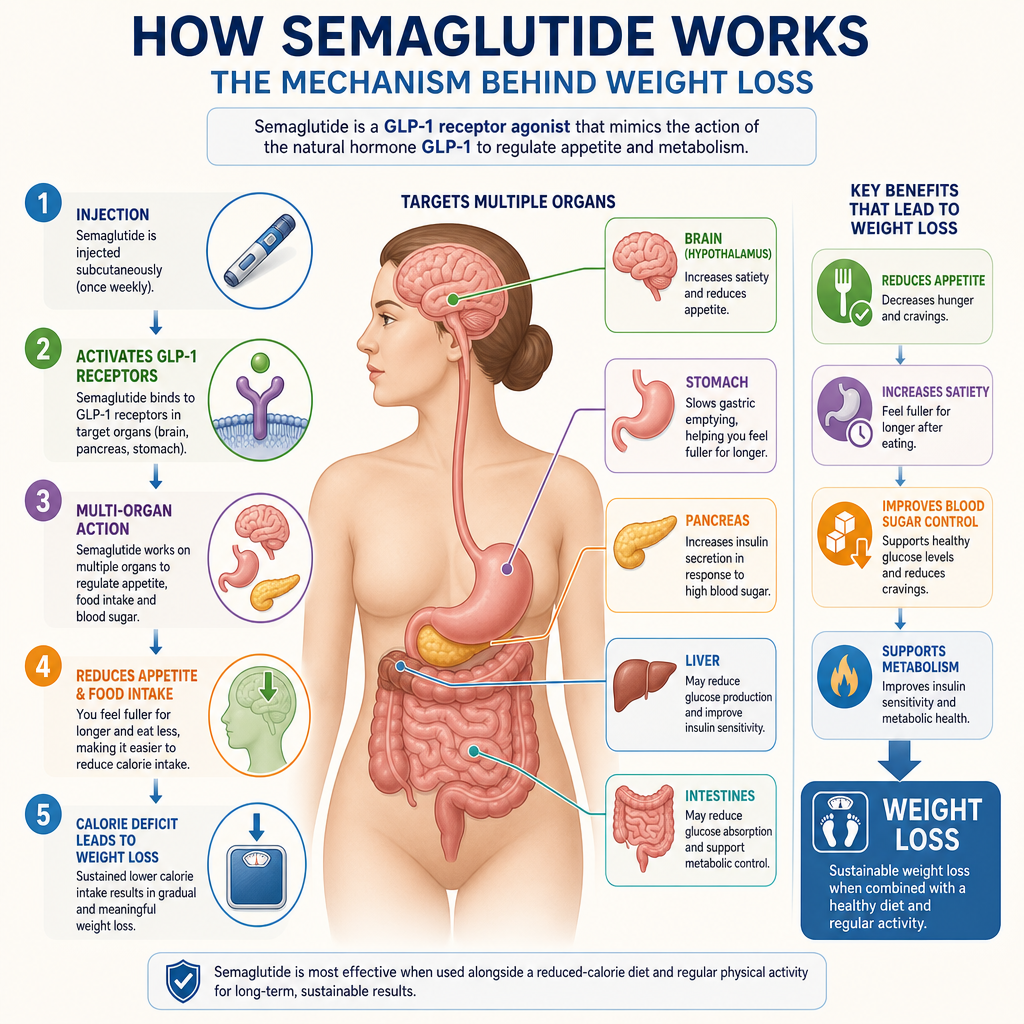
Follow-up appointments allow Dr. Rodriguez to track your progress, adjust dosing as needed, and integrate complementary treatments such as semaglutide or body contouring when appropriate. The plan evolves as your body does.
01

Medical Consultation

Based on your evaluation, Dr. Rodriguez prescribes the most appropriate appetite suppressant for your profile, whether phentermine, a combination agent, or a GLP-1 based option, alongside specific dietary and behavioral recommendations.
02

Personalized Prescription Plan

Based on your evaluation, Dr. Rodriguez prescribes the most appropriate appetite suppressant for your profile, whether phentermine, a combination agent, or a GLP-1 based option, alongside specific dietary and behavioral recommendations.
03

Supervised Treatment Start

You begin your prescription under medical supervision, with clear dosing instructions and direct access to the care team. Dr. Rodriguez monitors your early response to assess tolerability and effectiveness.
04

Ongoing Monitoring and Adjustment

Follow-up appointments allow Dr. Rodriguez to track your progress, adjust dosing as needed, and integrate complementary treatments such as semaglutide or body contouring when appropriate. The plan evolves as your body does.
Ideal candidate

Appetite Suppressant may be a good fit if you

Candidacy is confirmed during an in-person consultation with Dr. Rodriguez.
What to expect

Before, during, and after

Before
Before your first appointment, compile a list of all current medications, supplements, and any prior weight loss prescriptions you have tried. Disclose any history of heart arrhythmia, anxiety disorders, glaucoma, or thyroid conditions, as these directly influence which suppressants are safe for you. No fasting is required before your consultation, but arriving with an honest account of your typical daily eating patterns helps Dr. Rodriguez make a more accurate clinical assessment.
During
Your appointment is a focused clinical visit, not a rushed intake. Dr. Rodriguez or his care team takes your vitals, reviews your history in detail, and discusses realistic expectations for appetite suppression and rate of weight loss. If you are a candidate, your prescription is issued the same day along with written instructions on dosing timing, dietary adjustments, and what side effects to watch for in the first week.
After
You leave the appointment with a prescription in hand and a clear understanding of what to expect in the first days of use. Some patients notice appetite reduction within 24 to 48 hours of starting stimulant-based suppressants, while GLP-1 class medications build effect gradually over several weeks. Dr. Rodriguez’s team remains accessible if questions arise during the initial adjustment period.
Recovery

What the first weeks may look like

Days 1 to 3
Stimulant-class suppressants such as phentermine often produce noticeable appetite reduction within the first 48 hours, sometimes accompanied by mild dry mouth, elevated energy, or slight elevation in heart rate. These early effects typically stabilize as your body adjusts to the medication.
Week 1 to 2
Most patients find meal portions naturally decrease and the compulsive urge to snack between meals diminishes significantly by the end of week two. This is the window where pairing the prescription with structured eating habits produces the strongest early results.
Weeks 3 to 6
Weight loss typically becomes measurable and consistent by this phase, averaging one to two pounds per week when dietary guidance is followed. Dr. Rodriguez schedules a check-in during this window to assess your response and determine whether any dosage or protocol adjustments are warranted.
Month 2 and Beyond
For patients on short-term stimulant suppressants, Dr. Rodriguez evaluates whether transitioning to a GLP-1 based medication provides better long-term appetite regulation as treatment continues. Patients who have reached significant milestones are assessed for body contouring options if residual localized fat remains after weight stabilization.
Before & after

Real patients of Dr. Rodriguez

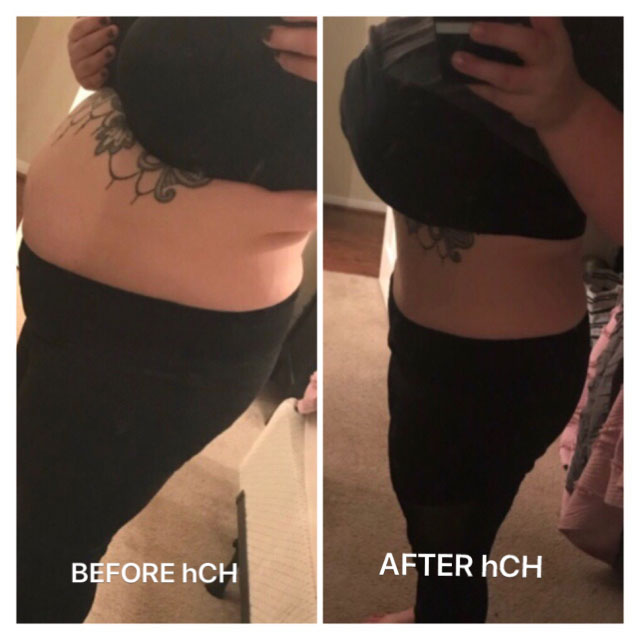
The results shown in this gallery represent real patients of Dr. Rodriguez who participated in medically supervised appetite suppressant and weight loss programs at Rodriguez Rejuvenation. Individual outcomes vary based on starting weight, medication response, dietary adherence, and overall health. All photos are shared with the documented written consent of each patient.
Individual results vary. Photos should only be used with documented patient consent.
HCG
Before
HCG
After
Consultation

Request your Appetite Suppressant consultation

Tell us what you would like to achieve. Our care team will follow up to help you plan the next step.
Your information is kept private and used only to respond to your request.

What patients say about Appetite Suppressant

Frequently Asked Questions about Appetite Suppressant

Clear answers to common questions before your consultation.
What prescription appetite suppressants does Dr. Rodriguez offer?
Dr. Rodriguez prescribes a range of options depending on your health profile, including phentermine, phentermine-topiramate combinations, and GLP-1 receptor agonists such as semaglutide and tirzepatide. The right choice depends on your cardiovascular history, metabolic status, and how much weight you are working to lose. He does not prescribe a one-size-fits-all medication.
Phentermine is FDA-approved for short-term use, typically 12 weeks, in appropriate candidates without contraindicated heart conditions, uncontrolled blood pressure, or history of stimulant sensitivity. Dr. Rodriguez conducts a thorough cardiovascular and medical screening before prescribing it. Patients who need longer-term appetite support are transitioned to non-stimulant alternatives after the initial course.
The cost of your program depends on the medication prescribed, the duration of treatment, and the number of follow-up appointments included in your plan. Initial consultations and prescription costs are discussed transparently at your first visit. Rodriguez Rejuvenation offers financing options for patients who want to combine appetite suppression with other medical weight loss or body contouring services.
Stimulant-based suppressants like phentermine produce appetite reduction within the first one to two days for most patients. GLP-1 medications work more gradually, with meaningful appetite suppression typically noticeable by weeks three to four. Weight loss results depend on adherence to the accompanying dietary plan and your individual metabolic rate.
Candidates with a BMI of 27 or higher who have at least one weight-related health condition qualify for prescription appetite suppressants under standard medical guidelines. If your BMI falls below that threshold, Dr. Rodriguez will discuss whether a prescription is clinically appropriate or whether other structured approaches serve your goals better. Every recommendation is based on your actual health profile, not a formula.
Stimulant suppressants commonly produce dry mouth, mild insomnia, elevated heart rate, and reduced appetite for fluids in the first week. GLP-1 medications are more likely to cause nausea, especially early in the dose escalation phase. Serious adverse effects are rare in properly screened patients, and Dr. Rodriguez’s team monitors your response closely during the initial treatment period to catch and address any concerns early.
If you have been searching for a diet pill doctor near me or a physician who takes medical appetite control seriously rather than handing you a prescription and sending you home, this practice operates differently. Dr. Rodriguez sits down with you, reviews your history, and builds a plan that fits your body and your goals. Schedule your consultation at Rodriguez Rejuvenation in Houston and have that conversation in person.

Related treatments

Rx Weight Loss Medications

Prescription medications that reduce appetite and support metabolic function under physician supervision.

HCG Diet

A physician-supervised protocol combining HCG hormone with a structured low-calorie diet for accelerated fat loss.

HCG Diet

A physician-supervised protocol combining HCG hormone with a structured low-calorie diet for accelerated fat loss.