
Chin Lipo in Houston, TX: What to Expect from Wide-Awake Liposuction
A well-defined jawline can dramatically enhance facial balance and confidence. However, many people struggle with excess fat beneath the chin, often referred to as a
Many people begin their weight loss journey with the best intentions, often trying different diets, supplements, or trending programs without professional guidance. While motivation is important, weight loss is not always as simple as eating less and moving more. For many individuals, underlying medical factors, hormonal imbalances, or metabolic conditions play a significant role in weight gain and difficulty losing weight.
At the same time, medical weight loss treatments have become increasingly popular, offering solutions that go beyond traditional methods. With options like prescription medications and structured programs, patients now have access to more effective tools than ever before. However, these treatments are not one-size-fits-all. According to the Centers for Disease Control and Prevention, more than 42% of adults in the United States have obesity, highlighting the need for safe and effective approaches to weight management. This is why meeting with a physician before starting any medical weight loss treatment is not just helpful— it is essential for achieving safe, personalized, and lasting results.
Medical weight loss is a physician-guided approach that focuses on treating the underlying causes of weight gain rather than just the symptoms. Unlike traditional dieting, which often relies on general recommendations, medical weight loss involves a comprehensive evaluation of a patient’s health, lifestyle, and metabolic profile.
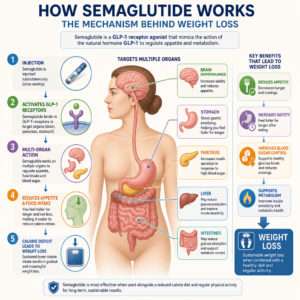
Treatments may include prescription medications such as GLP-1 receptor agonists, nutritional guidance, and ongoing monitoring. These interventions are designed to work with the body’s natural processes, helping regulate appetite, improve metabolism, and support sustainable weight loss. However, because these treatments affect biological systems, they require proper medical oversight to ensure they are both effective and safe.
Meeting with a physician before starting a medical weight loss program is one of the most important steps in the process. A physician evaluates your medical history, current health conditions, and any medications you may already be taking. This ensures that the treatment plan is tailored specifically to your needs and reduces the risk of complications.
Research has shown that clinically supervised weight loss programs lead to significantly better outcomes than self-directed efforts. Patients who receive medical guidance tend to lose more weight and maintain their results for longer periods. Without this level of oversight, individuals may choose treatments that are not appropriate for their condition or may overlook underlying issues that are preventing progress.
A physician’s role is not just to prescribe a treatment, but to create a strategy that aligns with your overall health goals. This personalized approach increases the likelihood of success and helps patients avoid unnecessary risks.
One of the key reasons to consult with a physician is to identify any underlying health conditions that may be contributing to weight gain. Many people assume that weight issues are purely lifestyle-related, but in reality, medical conditions can play a significant role.
Conditions such as hypothyroidism, polycystic ovary syndrome (PCOS), and insulin resistance can make it much more difficult to lose weight without proper treatment. Studies suggest that up to 10% of obesity cases are linked to secondary medical conditions, which means that addressing these root causes is essential for effective weight management.
A physician can order lab tests, evaluate hormonal levels, and diagnose conditions that might otherwise go unnoticed. By addressing these issues directly, patients can achieve better and more sustainable results rather than repeatedly struggling with ineffective approaches.
Prescription weight loss medications can be highly effective, but they must be used correctly to ensure safety. Medications such as semaglutide and other GLP-1 therapies work by altering appetite signals and metabolic processes, which means they need to be carefully monitored.
Clinical studies have shown that gastrointestinal side effects can occur in a significant percentage of patients, particularly when medications are not introduced gradually. A physician ensures that dosing is adjusted appropriately, minimizing side effects and improving overall tolerance.
Without medical supervision, patients may misuse medications, take incorrect doses, or fail to recognize warning signs of complications. This can not only reduce effectiveness but also increase health risks. Proper guidance ensures that treatment is both safe and optimized for the best possible outcome.
One of the biggest advantages of working with a physician is the ability to receive a personalized treatment plan. Every patient’s body responds differently to weight loss interventions, and factors such as metabolism, hormone levels, and lifestyle habits all play a role in determining results.
Physician-guided programs are designed to adapt to these individual differences. Research shows that structured, medically supervised weight loss programs can lead to greater and more sustained weight loss compared to non-supervised approaches. This is because the treatment plan is continuously adjusted based on progress, challenges, and changes in the patient’s condition.
Personalization not only improves outcomes but also increases adherence. When patients feel that their plan is tailored to their needs, they are more likely to stay consistent and achieve long-term success.
Losing weight is only one part of the journey—maintaining those results is often the greater challenge. Many individuals experience weight regain after completing a program, especially if they do not have ongoing support.
Studies have shown that a significant portion of individuals regain between 30% and 50% of their lost weight within a year when they do not follow a structured maintenance plan. This highlights the importance of continued medical guidance even after initial weight loss goals are achieved.
Physicians play a key role in helping patients transition from active weight loss to maintenance. By providing ongoing support, monitoring progress, and making necessary adjustments, they help ensure that results are sustainable over time.
Starting a weight loss program without consulting a physician can lead to several common mistakes. Individuals may choose treatments that are not suitable for their condition, use medications incorrectly, or set unrealistic expectations for their results.
These mistakes can lead to frustration, wasted time, and even potential health risks. Without proper guidance, patients may also fail to address the root causes of their weight gain, making it more difficult to achieve lasting success and more likely to gain back the weight they lost.
By working with a physician, patients can avoid these pitfalls and follow a structured, evidence-based approach that maximizes both safety and effectiveness.
While anyone considering medical weight loss can benefit from a physician consultation, certain individuals should prioritize it even more. This includes those with chronic health conditions, individuals taking multiple prescription medications, patients who have struggled with weight loss in the past, and those who are morbidly obese.
People with a significant amount of weight to lose or those considering prescription treatments also benefit greatly from professional guidance. In these cases, medical supervision is not just helpful— it is critical for implementing the right plan and ensuring safe and effective results.
Rather than relying on trial and error, a physician-guided plan provides a structured path to success. By addressing underlying conditions, optimizing treatment, and offering ongoing support, medical professionals help patients achieve results that are not only effective but also sustainable.

A well-defined jawline can dramatically enhance facial balance and confidence. However, many people struggle with excess fat beneath the chin, often referred to as a

Introduction Losing weight can feel overwhelming, especially with so many medical weight loss programs promising fast results. For patients in Houston exploring medically supervised options,
Introduction Liposuction remains one of the most popular cosmetic procedures in the United States, but not every patient achieves their desired results after the first

Introduction Many women experience changes in vaginal health due to childbirth, aging, or hormonal shifts—but it’s not something that’s often talked about openly. Symptoms like

What You Should Know In recent years, more women have started looking for non-surgical solutions to address concerns such as vaginal laxity, dryness, mild urinary

Introduction: Why Fast Weight Loss Should Still Be Healthy Losing weight quickly is a common goal, but lasting results depend on more than eating less

Introduction: When Liposuction Results Don’t Go as Planned Liposuction can be one of the most rewarding cosmetic procedures when performed correctly, but not every result

Introduction: Why Energy Dips Happen and How to Fix Them Naturally In today’s fast-paced world, it’s easy to feel drained, even when you’re eating well

Introduction: Getting the Most Out of Your Liposuction Liposuction is one of the most effective ways to enhance body contours and confidence, but results can

Introduction: Why Consistency Is the Secret to Lasting Weight Loss Losing a few pounds quickly is easy, but keeping them off requires consistency and the

Introduction: How Your Diet Impacts Your Skin’s Glow Radiant skin starts from within. While skincare products are essential, what you eat every day can either

Introduction: The Power of Fasting and Hydration for Fat Loss When it comes to losing weight quickly and safely, two of the most effective tools
Select an new patient offer to experience the Rodriguez Rejuvenation difference!