What ThermiVa Actually Does
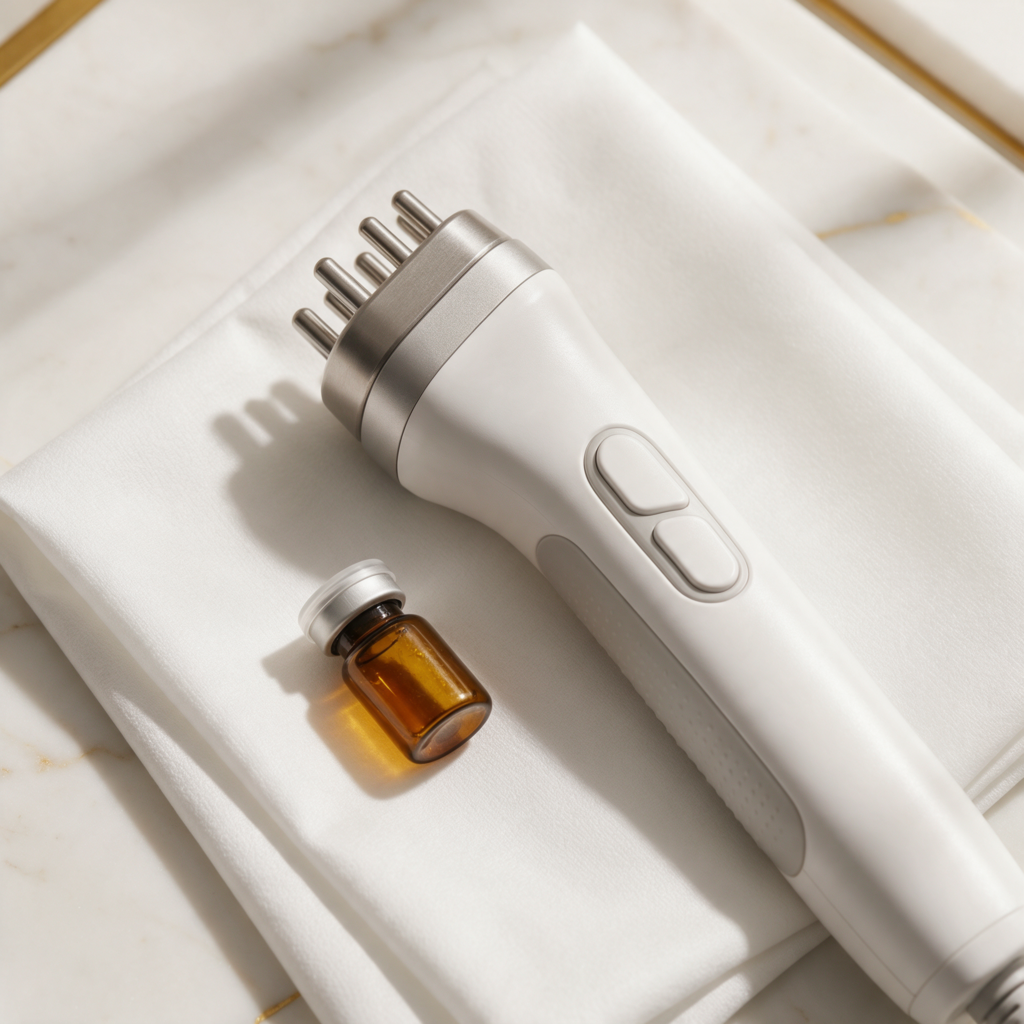
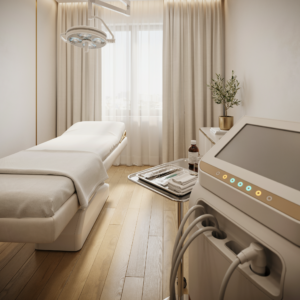
ThermiVa uses radiofrequency (RF) energy to gently heat tissue in the vaginal canal and external vulvar area. That controlled heat stimulates collagen remodeling and tightens lax tissue over a series of three monthly sessions. There’s no anesthesia, no cutting, no recovery period. Most women return to normal activity the same day.
The device delivers temperature-controlled RF energy at around 40–45°C — warm enough to trigger a biological response in the tissue without causing damage. Patients typically describe the sensation as a warm massage. The results build gradually over the treatment series, with improvements in tightness, lubrication, and sensitivity that many women notice within a few weeks of their first session.
ThermiVa addresses both internal and external concerns in a single treatment session, which sets it apart from some competing devices that focus exclusively on one area. For women dealing with multiple symptoms simultaneously — laxity, dryness, stress urinary incontinence — that comprehensive approach matters. Learn more about what to expect at our ThermiVa treatment page.
ThermiVa vs. Laser Treatments: MonaLisa Touch and FemTouch
CO2 fractional laser devices like MonaLisa Touch and FemTouch work on a different physiological principle than RF energy. Instead of heating tissue evenly, they create micro-injuries in the vaginal mucosa using laser energy. The body responds by producing new collagen and elastin as part of the healing process. The results can be effective, particularly for genitourinary syndrome of menopause (GSM), including dryness and painful intercourse.
However, laser treatments come with some practical considerations. Most protocols require patients to avoid sexual activity for several days after each session. Some women experience temporary discomfort, spotting, or discharge during recovery. FDA scrutiny of vaginal laser devices has also intensified in recent years — the FDA has issued warnings urging consumers to carefully evaluate energy-based vaginal devices and ensure treatment is performed by qualified providers in clinical settings.
ThermiVa’s RF technology sidesteps the ablative process entirely. Because it doesn’t create micro-injuries, there’s no recovery window and no activity restrictions afterward. For women with busy schedules — including the many Cypress TX patients who commute into Houston for treatment — that’s a meaningful practical advantage.
ThermiVa vs. Votiva
Votiva, made by InMode, is another radiofrequency platform used for vaginal rejuvenation. Like ThermiVa, it uses RF energy to stimulate collagen production and improve tissue tone. Both devices target similar concerns — laxity, dryness, mild urinary leakage — and neither requires downtime.
The key differences come down to technology specifics and provider experience. ThermiVa delivers monopolar RF energy with precise temperature feedback, allowing the provider to maintain consistent tissue temperature throughout the session. Votiva uses bipolar RF with two applicators — the Forma V for internal treatment and the Morpheus8 V for fractional resurfacing of external tissue. The fractional component of Morpheus8 V does create micro-injuries, similar in principle to laser, which means some patients experience mild post-treatment sensitivity.
Both devices are reputable and used by qualified providers. At Rodriguez Rejuvenation, we use ThermiVa because of its established safety profile, consistent temperature monitoring, and the clinical outcomes we’ve observed in our own patients over time.
ThermiVa vs. Cliovana
Cliovana is a newer entrant to the intimate wellness space. It uses low-intensity shockwave therapy — acoustic waves rather than heat or laser energy — to increase blood flow and sensitivity in the clitoral region. It’s not designed to address vaginal laxity or dryness. Its primary focus is on enhancing sexual pleasure and orgasmic response.
ThermiVa and Cliovana target overlapping but distinct concerns. A woman dealing primarily with sensitivity issues and reduced sexual satisfaction after childbirth or menopause might find Cliovana more directly relevant. A woman managing laxity, stress incontinence, and dryness alongside sensitivity concerns gets more comprehensive coverage with ThermiVa — or, in some cases, a combination of both treatments. For a full side-by-side comparison, read our post on Cliovana vs. ThermiVa in Houston.
Non-Surgical vs. Surgical: Knowing When Surgery Makes Sense
Non-surgical treatments like ThermiVa are effective for mild to moderate laxity and functional concerns. But they have limits. Women with significant structural changes — stretched or elongated labia minora that cause physical discomfort, or pelvic floor dysfunction that goes beyond what collagen remodeling can address — often need a surgical solution.
Labiaplasty reshapes the labia minora or majora for improved comfort and aesthetics. Vaginoplasty tightens the vaginal canal by removing excess tissue and reapproximating muscle. These procedures produce permanent structural changes that no energy-based device replicates. Recovery is longer — typically two to six weeks — and results, when performed by an experienced surgeon, are lasting.
The honest answer is that surgery and non-surgical treatments serve different populations. Many women are excellent candidates for ThermiVa and never need surgery. Others need surgical correction first and use ThermiVa afterward to maintain results. A board-certified plastic surgeon with experience in both approaches — like Dr. Rodriguez — can help you understand which category you fall into without overselling either path.
Who Is the Ideal ThermiVa Candidate?
ThermiVa works best for women experiencing mild to moderate vaginal laxity, reduced lubrication related to hormonal changes or aging, stress urinary incontinence (leaking with coughing, sneezing, or exercise), and decreased sensitivity. It’s also popular among postpartum women who want to restore pre-pregnancy tissue tone without surgery.
Women in menopause or perimenopause often respond particularly well. Research published in recent years has confirmed that radiofrequency therapy improves vaginal tissue health and reduces symptoms of genitourinary syndrome of menopause, often with results comparable to topical estrogen for women who cannot or prefer not to use hormonal therapy.
ThermiVa is not appropriate for women who are pregnant, have active vaginal infections, or have metal implants in the pelvic region. A thorough intake process at Rodriguez Rejuvenation ensures every patient is properly evaluated before beginning treatment.
What Cypress TX Patients Should Know
Many of our patients travel from Cypress, TX, to our Houston practice specifically for ThermiVa. The lack of downtime makes that practical — you come in, complete your session, and head home or back to work without any recovery period to manage. The three-session protocol is spaced four to six weeks apart, so the time commitment is manageable even for busy schedules.
Cypress patients also benefit from working with a practice that offers complementary services under one roof. If your concerns overlap with hormonal imbalances affecting sexual health or weight changes affecting body confidence, our hormone replacement and medical weight loss programs can work alongside ThermiVa as part of a broader wellness strategy. That kind of integrated care is harder to find than it sounds.
Understanding Results and Longevity
Most women notice progressive improvement after each of the three ThermiVa sessions. Full results develop over two to three months as collagen remodeling continues. Many women maintain their results with a single annual touch-up session. Others go longer between maintenance treatments depending on age, hormonal status, and individual tissue response.
Laser treatments like MonaLisa Touch follow a similar maintenance schedule. Surgical results from labiaplasty or vaginoplasty are permanent in terms of structural changes but don’t prevent continued tissue aging. No treatment — surgical or otherwise — stops the clock permanently. What ThermiVa offers is a non-invasive way to stay ahead of gradual tissue changes with periodic maintenance rather than waiting until concerns become significant enough to require more aggressive intervention.